Essential Guide to Green Cleaning: Safe and Effective Solutions for Every Home
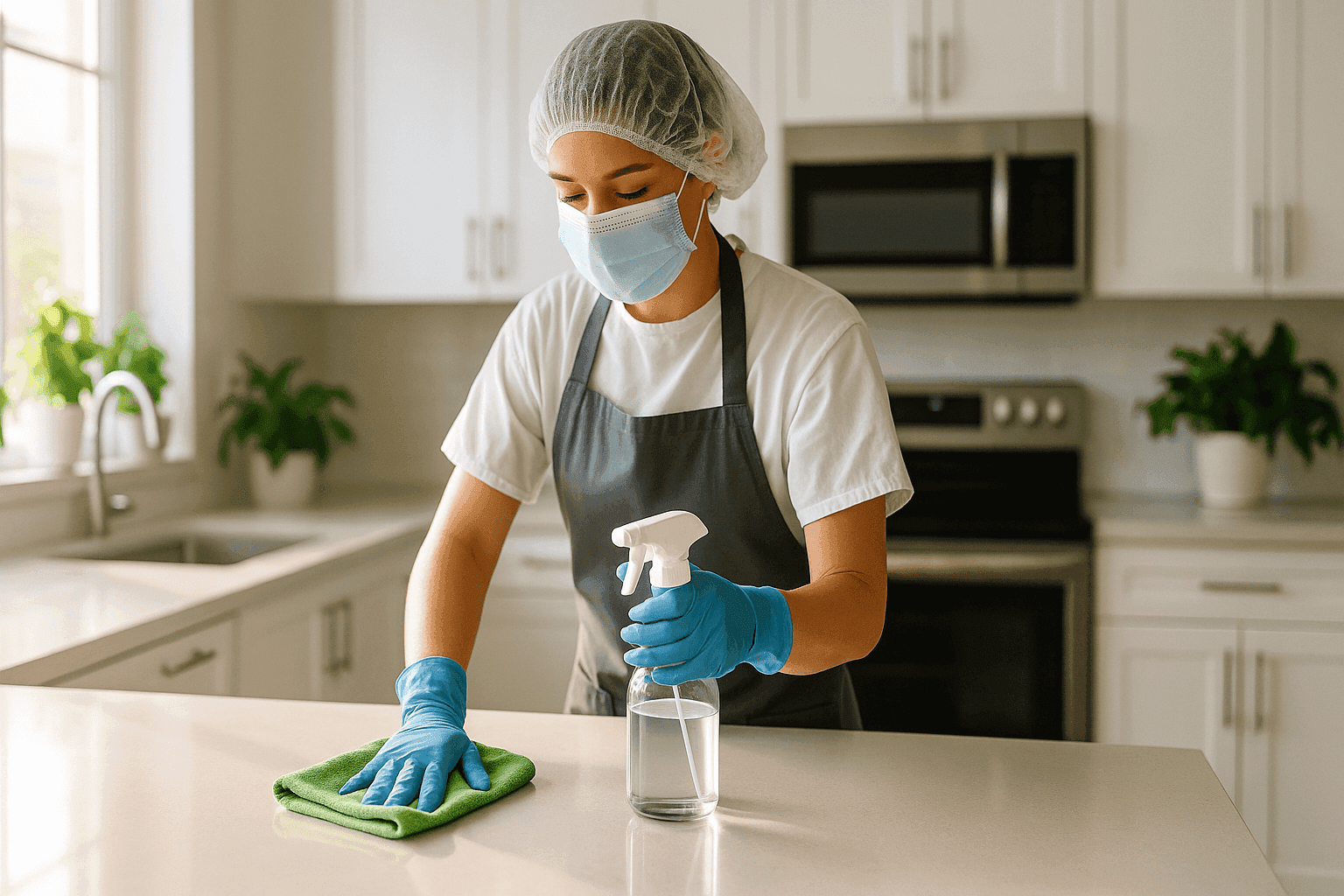
Is your home as safe as you think? Ordinary cleaning products can leave behind more than just a fresh scent—they sometimes bring hidden chemicals and allergens, too. At Mary Maids, we know your family, pets, and peace of mind matter most. That’s why green cleaning isn’t just a trend. It’s a healthy shift every household deserves.
A clean home should never come at the cost of indoor air quality or your loved ones’ well-being. Let’s break down what green cleaning really means, what you need, and how to make your cleaning routine safer and smarter—starting today.
What Is Green Cleaning? 🌱
Green cleaning isn’t just about using “natural” products. It’s a whole approach to cleaning that puts health, safety, and environmental impact first.
- Definition: Green cleaning uses methods and products with safer ingredients, minimizing toxic chemicals that could harm people, pets, or the environment.
- Why it matters: According to the Environmental Protection Agency (EPA), many standard cleaning agents contain volatile organic compounds (VOCs) that can trigger allergies, asthma, and even long-term health concerns.
- Common myths busted:
- Myth: “Green products don’t clean as well.”
Reality: Many eco-friendly solutions clean just as effectively—sometimes better—when used correctly. - Myth: “It’s too expensive.”
Reality: Simple, safe ingredients are often budget-friendly and already in your pantry.
- Myth: “Green products don’t clean as well.”
Bottom line: Green cleaning means a safer home for everyone—without harsh fumes or mystery chemicals.
Must-Have Green Cleaning Products
Let’s ditch the mystery bottles. Here’s what actually works—no guesswork required.
Natural Staples
You don’t need a chemistry degree. Just a few powerhouses:
- White vinegar: Cuts through grease, mildew, and mineral deposits.
- Baking soda: Gently scrubs, deodorizes, and lifts stains.
- Castile soap: All-purpose, plant-based, and gentle.
- Lemon juice: Naturally antibacterial; leaves behind a fresh scent.
- Olive oil: Polishes wood and stainless steel.
Store-Bought Green Products
If DIY isn’t your style, look for these cues on store shelves:
- Third-party certifications: Products marked with EPA Safer Choice, Green Seal, or EcoLogo are tested for reduced toxicity.
- Transparent labels: Avoid products with “fragrance” or “parfum” listed, as these can hide irritants.
What to avoid:
- Ammonia
- Chlorine bleach
- Phthalates (often found in synthetic fragrances)
- Triclosan and other harsh antibacterials
The American Lung Association recommends checking ingredient lists and avoiding products that generate strong fumes.
Room-by-Room Green Cleaning Tips
Your house isn’t a laboratory. Each space has its own quirks—here’s how to handle them, the green way.
Kitchen
- Cabinet Cleaning near you: Mix equal parts vinegar and water. Wipe cabinets inside and out.
- Oven Cleaning: Sprinkle baking soda, spritz with water, let sit overnight, then scrub.
- Refrigerator Cleaning: Use mild soap and warm water; skip harsh disinfectants.
- Appliance Cleaning: Microfiber cloth + diluted vinegar handles fingerprints and smudges.
Bathroom
- Toilet and Tub: Baking soda paste (with a splash of vinegar) attacks soap scum and stains.
- Mirror and Glass: Dilute vinegar with water, spritz, and polish with a lint-free cloth.
- Tile Grout: Lemon juice and baking soda can brighten without bleach.
Living Areas
- Dusting: Damp microfiber cloths trap dust without sending it airborne.
- Carpet Cleaning: Sprinkle baking soda, let sit, then vacuum. For deeper stains, try eco-friendly carpet shampoos.
- Upholstery Cleaning: Spot clean with diluted castile soap; always test first.
Laundry
- Detergent: Choose plant-based, fragrance-free options.
- Stain Removal: Hydrogen peroxide (3%) and baking soda can lift organic stains gently.
Benefits for Families and Pets 🐾
Green cleaning is more than a feel-good gesture. It’s a shield for your loved ones.
- Healthier air: Fewer toxic fumes means better breathing for kids, seniors, and pets.
- Reduced allergies: Using unscented, non-irritating products can lessen triggers for asthma and sensitive skin.
- Safer surfaces: Pets and toddlers crawl and play everywhere—safer products mean fewer worries.
The Asthma and Allergy Foundation of America notes that reducing synthetic scents and harsh chemicals lowers the risk of respiratory issues.
When to Consider a Green Pro Service
Sometimes, life is messy. Kids, pets, parties, or post-construction dust can leave you overwhelmed. Here’s when calling in a green maid_services team like Mary Maids is smart:
- Sensitive households: If anyone has allergies, asthma, or chemical sensitivities.
- Pet families: For deep Pet Stain and Odor Removal without risky chemicals.
- Move-In/Move-Out Cleaning: Start (or leave) a home with a truly fresh slate.
- Event Cleanup: After celebrations, when you want the space immaculate but safe for all ages.
- Customized Cleaning Plans: When you want a tailored approach to green cleaning.
A reputable service should use products certified by organizations like EPA Safer Choice and train staff on safe application. Always ask for a full ingredient list if you’re concerned.
Green Cleaning Quick Safety Checklist
- Store all products—DIY or store-bought—out of reach of kids and pets.
- Never mix vinegar with bleach or hydrogen peroxide (toxic fumes can result).
- Label homemade solutions clearly.
- Test any new cleaner in an inconspicuous area.
- Ventilate rooms while cleaning, even with green products.
Room-by-Room: Common Stubborn Issues
Kitchen Grease
Try a paste of baking soda and a drop of castile soap. Wipe, then rinse with warm water.
Bathroom Mold
Use undiluted white vinegar and a scrub brush. Let it sit for 10–15 minutes, then rinse.
Pet Odors
Sprinkle baking soda on affected spots, wait 30 minutes, vacuum. For upholstery, use a 50/50 vinegar-water solution.
How to Transition to Green Cleaning
Change doesn’t have to be all-or-nothing. Start small:
- Replace one traditional product with a green alternative each week.
- Use up old supplies responsibly—don’t pour chemicals down the drain.
- Teach the whole family simple green cleaning habits.
What to Look for in Green Cleaning Services
- Ask about product certifications (EPA Safer Choice, Green Seal).
- Request a cleaning checklist—transparency matters.
- Inquire about staff training and safe-use protocols.
- Look for services offering Cabinet Cleaning near you and other specialized eco-friendly options.
Green Cleaning: FAQ
Do green cleaners kill germs?
Many do. Look for hydrogen peroxide-based solutions or alcohol-based wipes for disinfecting—check CDC guidelines for effectiveness.
Are green products safe for septic systems?
Most plant-based, biodegradable products are. Always double-check labels.
Can I request green cleaning for just part of my home?
Absolutely—many maid_services offer customized plans for specific rooms or needs.
What if I have a severe allergy or sensitivity?
Let your cleaning team know in advance. They can select unscented, hypoallergenic products and adjust their approach.
Local & Seasonal Considerations
Allergies flare up in spring and fall. That’s when dust, pollen, and pet dander peak. Opt for more frequent dusting, vacuuming, and air-out days during these times. After winter, deep cleaning helps remove the buildup from closed windows and heaters.
The Takeaway
Green cleaning isn’t just about eco-consciousness. It’s about building a safer, fresher home for your family and pets. Whether you tackle it yourself or want a little help from a trusted maid_services pro, every small switch makes a big difference.
Ready for a home that feels as good as it looks?
Call Mary Maids now — or reach us anytime at 855-528-5695 .